Ashes of Creation: Beta 01 Steam Launch Drama
Last updated on November 16, 2025 by MMOJUGG Team | Game: Guide | Tags: Beta 01 Steam
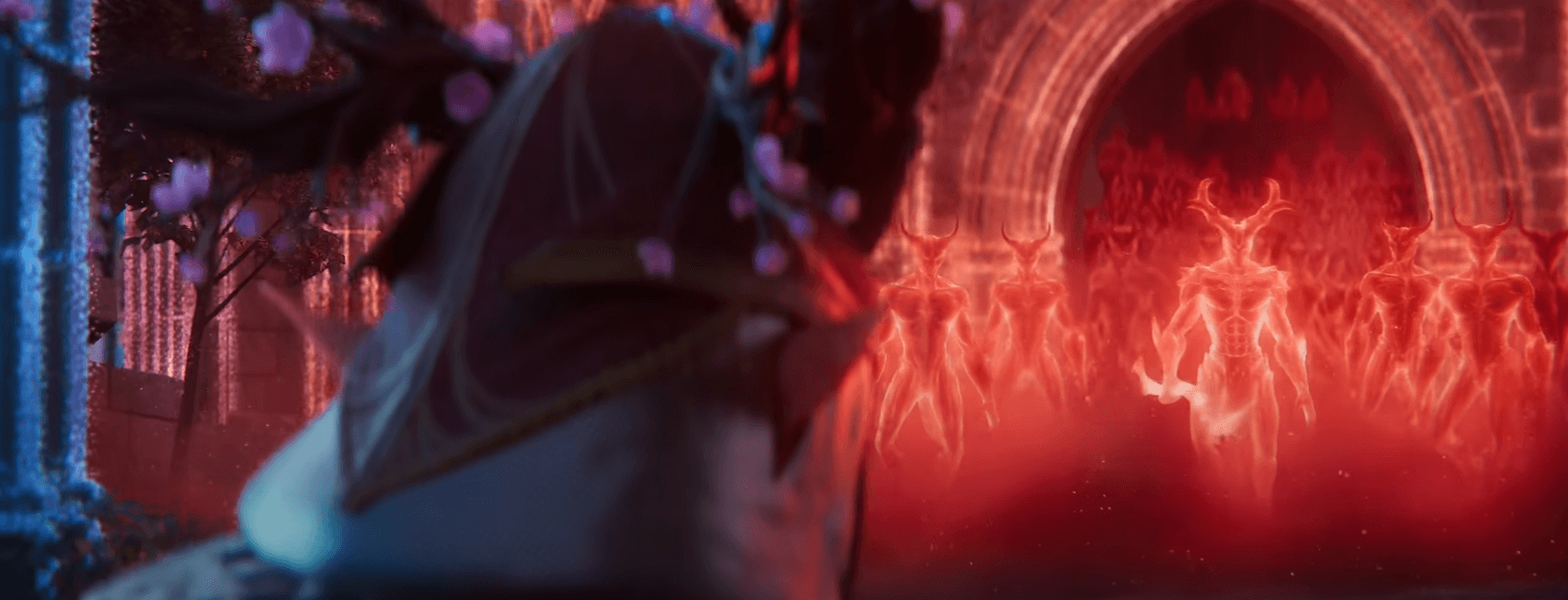
If you've been following the ever-evolving world of massive multiplayer online games, the latest developments in one long-awaited title might have caught your eye. As excitement builds for its upcoming entry into a major platform, it's a great moment to pause and sift through the details.
For those planning to jump in, bookmarking resources like ours can keep you ahead of the curve with reliable updates. And if you're thinking about enhancing your experience from the start, our Ashes of Creation Gold Shop offers straightforward options to support your adventure without the hassle.
Steven Sharif's Formative Business Years
Steven Sharif, the driving force behind Intrepid Studios, built his early career in the early 2000s through online ventures focused on health supplements. At just 18, he launched a successful e-commerce site selling nutritional items, including fruit-based juices and vitamins. This effort reportedly generated millions in revenue, marking a significant milestone before he pivoted to real estate and, eventually, game development. While these beginnings have fueled discussions, they reflect a young entrepreneur navigating the direct sales landscape rather than a deliberate pivot to gaming deceit.
What stands out is how Sharif's family played a central role. His mother, Sharon Sharif, was deeply embedded in the industry, often appearing at events and promoting products. This familial tie shaped his initial foray, blending personal connections with business ambition. Today, as he steers a project eight years in the making, these roots invite scrutiny—but they also highlight resilience in transitioning to creative pursuits like world-building in MMOs.
Decoding the XanGo Involvement
Much of the discourse swirls around Sharif's association with XanGo, a direct sales company specializing in mangosteen-based beverages. Recruited by his mother, Sharif contributed by curating an online storefront for their lineup, which emphasized wellness benefits. The company, operational since 2002, has expanded globally and claims billions in cumulative sales, positioning itself as a legitimate player in the supplement space.
Critics often blur lines between direct sales models and more exploitative structures. To clarify:
Aspect | Direct Sales (e.g., XanGo) | Pyramid Schemes |
|---|---|---|
Core Focus | Selling tangible products like juices to end consumers | Primarily recruiting new members for fees, with products as a facade |
Legality | Generally legal if product sales dominate revenue | Illegal in most jurisdictions when recruitment overshadows sales |
Participant Role | Sellers earn from direct transactions and limited team incentives | Earnings heavily tied to endless recruitment chains |
Risks | High competition; variable income based on sales volume | Unsustainable; most participants lose money |
In Sharif's case, records show his site thrived on product distribution, not aggressive recruitment drives. He has publicly stated that XanGo's model prioritized sales, akin to established brands in the sector. However, the company's broader promotions drew regulatory eyes. In 2006, the U.S. Food and Drug Administration issued a warning to XanGo for marketing materials that overstated health claims—such as anti-cancer or antiviral effects—for their mangosteen juice. These were not isolated to distributors but stemmed from corporate seminars, underscoring a top-down issue at the time.
Sharif maintains he focused solely on e-commerce, with no personal involvement in events or team-building. While anecdotes suggest family-wide recruitment efforts, concrete evidence tying him directly to such activities remains anecdotal. This nuance matters: exaggeration paints a predatory picture, but ignoring the context dismisses valid concerns about the industry's ethics.
Navigating Community Polarization
Online forums and social platforms amplify extremes, turning nuanced histories into battlegrounds. Detractors label Sharif a "scam artist" preying on vulnerabilities, echoing unverified tales of targeting ill patients with miracle cures. On the flip side, staunch supporters dismiss any critique as envy or misinformation, framing his past as irrelevant youthful hustle.
This divide mirrors broader MMO fandom dynamics, where passion curdles into toxicity. Veteran observers note how Ashes of Creation's dedicated base—once a shield against doubters—now fractures under unmet expectations. Harassment of creators, doxxing attempts, and echo-chamber upvoting erode trust, making objective dialogue rare. The result? A cycle where facts get buried under tribal loyalties, leaving newcomers to wade through misinformation.
From a balanced view, Sharif's trajectory isn't spotless, but it's far from the caricatures. His family's ongoing ties to direct sales add layers, yet branding him a lifelong deceiver overlooks growth. Communities thrive on accountability, not absolutes—encouraging fact-based pushback fosters healthier ecosystems.
The Steam Early Access Pivot
Intrepid Studios recently announced Ashes of Creation's Alpha Two phase hitting Steam Early Access on December 11, 2025. This bundle, priced at $49.99 and including one month of game time, arrives amid a wave of MMO closures, potentially drawing lapsed players seeking fresh horizons. A limited-time 15% discount from launch through December 25 drops it to $42.49, broadening appeal.
This move signals confidence in the project's momentum, eight years post its 2017 Kickstarter triumph that raised over $3 million. Backers gain immediate access, aligning with the open-development ethos of iterative testing. Yet, it raises eyebrows: Why monetize broadly now, when prior alphas demanded higher entry fees for "dedicated" testers?
Proponents argue it democratizes feedback, inviting diverse input to refine systems like node-based economies and dynamic world events. Skeptics see opportunism, capitalizing on genre fatigue without full polish. Either way, it's a watershed—shifting from niche crowdfunding to mainstream visibility.
Assessing Game Maturity
Despite progress, Alpha Two remains a testing ground, not a polished launch. Core loops like PvP sieges and crafting chains show promise, but bugs, incomplete zones, and sparse endgame content persist. Intrepid emphasizes this as intentional: Early Access funds further iteration toward a subscription model at full release.
A quick development snapshot:
Milestone | Date | Key Achievements/Challenges |
|---|---|---|
Kickstarter Launch | May 2017 | Raised $3.2M; promised refunds if unreleased |
Alpha One | 2021-2022 | Basic combat and nodes tested; major wipes |
Alpha Two Entry | December 2025 | Steam debut; expanded world, cosmetic shop |
Projected Full Release | TBD (2027+) | Subscription tier; all systems integrated |
The inclusion of a rotating cosmetic store from day one blurs lines—it's alpha testing, yet feels like live-service rollout. This hybrid risks alienating purists who view paid alphas as relics of rushed dev cycles.
Referral Incentives and Creator Dynamics
Intrepid's referral system offers 15% of a new player's lifetime spending as redeemable Intrepid Bucks, convertible to cash quarterly post-launch. Open to all, it supercharges for partnered creators via custom codes and promotional perks.
This setup incentivizes hype but sows bias. Creators with stakes—potentially tens of thousands in deferred earnings—may soften critiques to safeguard payouts. Many joined years ago, expecting quicker timelines; inflation erodes those funds' value, and launch uncertainty looms. Sharif assures refunds for all backers if the game falters (Kickstarter explicitly, others considered), but enforcement hinges on his discretion.
For consumers, treat referral-linked content skeptically—it's not outright sponsorship, but the perpetual tie mirrors one. Transparency helps: Disclose codes upfront, and viewers, cross-check with neutral sources.
Early Monetization Tactics Under Scrutiny
Selling cosmetics in an unfinished build isn't novel—many titles do it—but context matters. Post-Kickstarter, Sharif touted self-funding, yet alpha keys and FOMO bundles raked in premiums. Now, a $40+ entry plus shop evokes nickel-and-diming, especially sans subscription yet.
This strategy sustains dev without layoffs (Intrepid is hiring), but it tests goodwill. Hardcore fans, once evangelists, voice frustration over perceived cash grabs. Broader audiences may balk at alpha-priced flair, fueling refund demands under Steam's strict policy (14 days, <2 hours playtime).
Sharif's business acumen shines in hype orchestration—streaming with influencers built buzz—but timing feels reactive to rivals' stumbles. It's shrewd, yet risks reinforcing "vaporware" tags if polish lags.
Bracing for Review Storm
Steam's visibility invites scrutiny, and early signals point to turbulence. Die-hards may temper gripes, but casual buyers—lured by MMO void—could hit walls: Sparse servers, unrefined quests, economy imbalances. Negative Steam reviews (think "buggy scam" tirades) amplify past smears, snowballing into reputational hits.
Refund hurdles exacerbate this; unlike prior 90-day windows, Steam's clock ticks fast for MMOs needing hours to evaluate. Community vets predict a "nightmare" influx of backlash, magnifying Sharif's sensitivity to critique—he's banned dissenters before, though reconciliations follow.
Empathy tempers judgment: Devs endure Dunning-Kruger barrages from armchair experts. Yet, open development demands thick skin. This launch could galvanize or fracture—outcomes hinge on rapid iterations.
FAQs on Ashes of Creation Steam Launch on December
1. What exactly is the difference between Alpha Two and full release for Ashes of Creation?
Alpha Two focuses on core systems like combat, crafting, and social hubs, with intentional incompletes for testing. Full release adds polish, all zones, and a subscription layer—likely years away, per Intrepid's roadmap. Expect wipes and resets in alpha to refine balance.
2. How does Steven Sharif's XanGo history impact trust in the project today?
It underscores ethical gray areas in direct sales, where overblown claims (like FDA-flagged health benefits) eroded consumer faith. However, Sharif's role was retail-focused, not promotional excess. It warrants caution on business practices but doesn't invalidate his gaming vision—judge the product on merits.
3. Will I get a refund if I buy the Steam Early Access bundle and dislike it?
Steam's policy applies: Full refund within 14 days if under 2 hours played. Prior buyers retain 90-day options, but post-launch, it's case-by-case. Intrepid pledges backer refunds if unreleased, though "unreleased" thresholds remain vague.
4. Are content creators with referral codes truly biased in their coverage?
The 15% lifetime kickback creates incentives to hype, potentially muting flaws—similar to affiliates elsewhere. Not all shill overtly, but undisclosed ties undermine objectivity. Seek diverse voices; neutral outlets like Massively Overpowered offer unvarnished recaps.
5. Why include a cosmetic shop in an alpha phase— isn't that premature?
It funds ongoing dev without external funding rounds, a common indie tactic. Critics argue it pressures unfinished engagement; supporters see it as optional flair for testers. Weigh your tolerance—it's live-service prep, not alpha-exclusive.
6. Could this Steam launch salvage or sink Ashes of Creation's reputation?
It risks short-term negativity from unmet expectations (e.g., review bombs), but success in feedback loops could build momentum. With a toxic community subset turning sour, Intrepid must prioritize transparency. Long-term, consistent updates trump hype—history shows resilient MMOs rebound from rocky debuts.
Thanks for Reading
In a genre full of highs and pitfalls, staying informed empowers smarter choices. Keep following MMOJUGG for grounded insights into the worlds you're exploring.
You may also like: Stay current with dev updates, roadmap insights, and community drama.
Looking for more Ashes of Creation Guides?
Get the latest class tier lists, gold farming routes, node progression tips, combat mechanics, and roadmap updates—all in our comprehensive hub.
👉 Visit Our Ashes of Creation Hub