PoE2 Atlas Tree Setup for Max Loot & Divine Orbs
Last updated on April 20, 2025 by MMOJUGG Team | Game: Path of Exile 2 Guide | Tags: PoE2 Atlas Tree Strategy
In Path of Exile 2's 0.2 Dawn of the Hunt league, the Atlas Passive Tree is your key to turning maps into a loot explosion. With the proper setup, you can boost currency drops, snag Divine Orbs, and make every map run count. This guide lays out a streamlined Atlas strategy for players with 40/40 points (or close), focusing on raw profit without chasing niche mechanics like Rogue Exiles or Essences. It's designed to be flexible, letting you farm your favourite content while raking in wealth. For more endgame tips and gear to crush Wraeclast, feel free to bookmark our site and check out our store for sweet deals.
Why This Atlas Setup Works
This strategy prioritises monster density, map modifiers, and tablet efficiency to maximise loot and currency. Rare monsters are the backbone of Poe2's loot system, so we focus on spawning more rares, enhancing map quality, and using Precursor Tablets to juice rewards. It's build-agnostic, works with any map biome, and complements mechanics like Breach, Delirium, or Ritual without requiring heavy respecs.
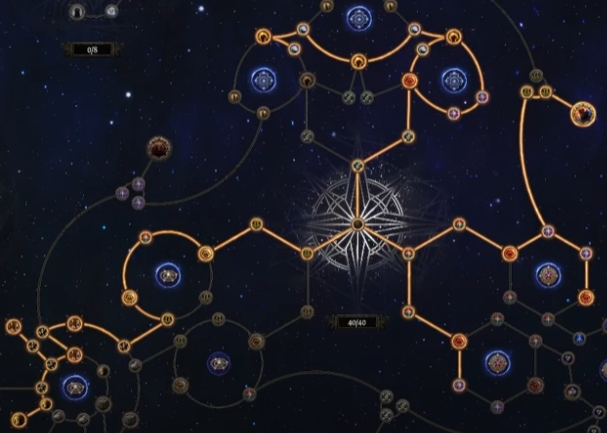
Step-by-Step Atlas Tree Setup
Here's how to allocate your 40 Atlas points for optimal currency farming:
Top Section: Precursor Tablets & Map Mods (10-12 points)
Precursor Influence: Boosts tablet drops, essential for juicing maps. Tablets add modifiers like pack size or rarity, increasing loot potential.
Remnants of Power: 20% chance to double tablet effects, amplifying bonuses like +50% quantity or extra Breach spawns.
Enigmatic Intensifications: Increases explicit modifier effects on Waystones per Precursor Tower (stack 3+ towers for significant gains).
Treasure Troves: Enhances tablet quantity and quality, ensuring a steady supply.
Small Passives: Grab Tablet Effect nodes for +10% tablet power. Skip Local Knowledge unless farming swamp/water biomes (e.g., Wetlands), as it nerfs other biomes like deserts.
Centre: Unstable Energies & Map Quality (6-8 points)
Unstable Energies: +25% effect of prefix/suffix modifiers on Waystones. Prefixes (rarity, quantity, pack size) boost loot, while suffixes (monster damage, defences) make maps harder—ensure your build can handle T15S.
Gruelling Journey: Amplifies explicit modifiers, making rare maps juicier.
Waystone Modifiers: +15% effect of modifiers for better rolls (e.g., +30% quantity). Skip Rarity nodes (3% is negligible).
Left: Rare Monsters & Shrines (12-14 points)
Rising Danger: +50% increased rare monsters, a must-pick since rares drop the most loot (Divines, Exalted Orbs, etc.). Synergises with Breach or Delirium.
Twin Threats: Duplicates one rare monster per map, effectively doubling loot from a high-value target.
Small Passives: Take 5% Increased Rare Monsters for a total of 20% more rares, equating to ~20% more loot.
Places of Worship: +100% chance for Shrines, prioritising Seeking Shrines (+rarity) and Speed Shrines (faster clears).
Prayer Guidance: +100% chance for Shrines to be Seeking Shrines.
Spice of Sanctity: 25% chance for Shrines to have extra effects (e.g., Speed + Rarity combo).
Right: Waystone Rarity (4 points)
Fortunate Path: +100% increased rarity of Waystones, boosting drops of rare Waystones with 4-6 modifiers. Saves Exalted/Regal Orbs by reducing crafting needs.
High Road: +20% chance for Waystones to drop a tier higher, great for sustaining T15.
Nodes to Avoid:
Corrupted Infusion: Risks bricking good Waystones by adding unwanted corruptions. Too RNG-heavy for consistent farming.
Ecological Shift: +40% random content (e.g., Essences, Spirits) but -20% monster pack size, slashing loot potential.
Local Knowledge: Only take for swamp/water maps; it reduces currency in mountain/desert biomes.
Rogue Exiles/Spirits/Essences: Low profit compared to Shrines or rare monsters. Essences are viable for SSF crafting but lack currency value in trade leagues.
Farming Strategy: Juicing Maps
To turn your Atlas into a divine printing machine, follow these steps:
Craft Waystones: Always run rare maps (Alchemy + Regal Orbs) for +quantity/rarity. Use oils (e.g., Amber Oil) for extra modifiers like pack size. Avoid deadly suffixes (e.g., -max resistances) unless your build is tanky (5,000+ life, 75% resistances).
Use Precursor Tablets: Slot tablets in every Precursor Tower (3+ per region)—Prioritise mods like +Monster Pack Size, +Item Rarity, or Extra Breach. Tablets drop frequently with Precursor Influence.
Prioritise T15 Maps: Higher tiers (T14-T15) drop better loot, including Divines (2-5 per 50 hours with optimal setup). Use Doryani's Waystone shop (Ziggurat Refuge) to buy T14S (~18,000 gold) if needed.
Map Selection: Choose open layouts (e.g., Strand, Crimson Temple) for fast clears. Avoid maze-like maps unless your build excels in tight spaces.
Shrine Hunting: Speed Shrines cut clear times, while Seeking Shrines boost rarity. Pop them early to maximise benefits.
Sell Excess: List rare Waystones, tablets, or uniques (e.g., Cloak of the Coming Calamity) on the market. Convert junk into Chaos via vendors.
Complementary Mechanics
This tree is a middle-ground foundation, letting you layer mechanics like:
Breach: Stack Crumbling Walls and Grasping Hands for dense packs and Divine-worthy loot.
Delirium: Add Delirium Focus for Distilled Emotions (8-10 Exalted).
Ritual: Use Omen Drop Chance nodes for Audience with the King tablets, netting Divines.
Respec 2-4 points into mechanic-specific nodes when focusing on Breach or Ritual, but keep the core tree intact for flexibility.
Testing Results
This setup yields steady currency:
Divine Orbs: 2-5 per 5 hours in T15 Maps with +200% rarity, 3-4 towers, and Breach/Delirium.
Exalted Orbs: Frequent from rares, especially with Seeking Shrines.
Tablets/Waystones: Near-infinite sustain, funding juiced runs.
It's not as explosive as specialised Ritual farming but offers consistent profits across all maps.
Thanks for Reading
This Atlas Tree setup for Path of Exile 2's Dawn of the Hunt turns your maps into a currency fountain, with rare monsters, juiced Waystones, and Shrines driving profits. Whether you're chasing Divines or funding mirror-tier gear, this strategy keeps your grind lucrative. Stay tuned to MMOJUGG for more PoE 2 endgame tips to conquer Wraeclast!
Table of Content
 Buy PoE2 Currency
 PoE2 Boosting