Path of Exile 2: The Third Edict Q&A Breakdown
Last updated on August 21, 2025 by MMOJUGG Team | Game: Path of Exile 2 Guide | Tags: The Third Edict
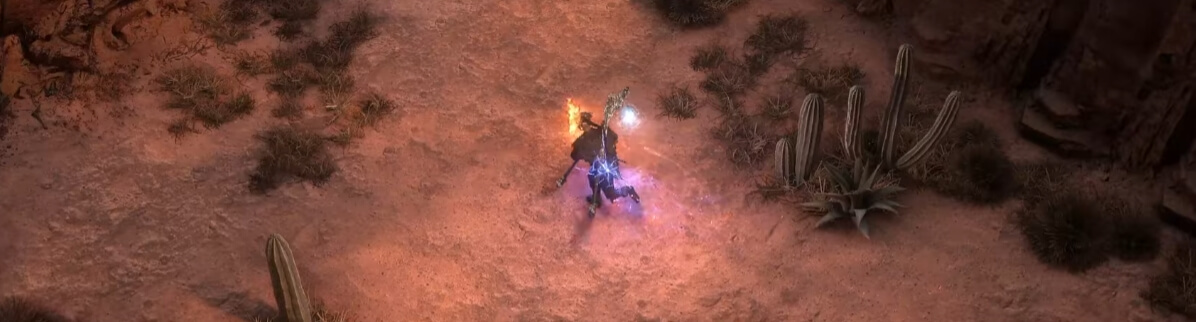
Dive into a detailed breakdown of Grinding Gear Games' latest Path of Exile 2 Q&A for 0.3.0 The Third Edict, covering endgame expansions, Druid delays, campaign revamps, balance shifts, and the new trade system for an enhanced ARPG experience.
Introduction to Path of Exile 2's Latest Developments
The world of Wraeclast continues to evolve, with Grinding Gear Games delivering exciting insights in their recent Q&A session. As players eagerly await the next chapter in this action RPG epic, these updates promise to refine gameplay and address community feedback. If you're passionate about staying ahead in your adventures, it might be worth bookmarking resources like ours for ongoing guides—plus, exploring options for Path of Exile 2 currency and items can make your journey even smoother.
Major Fixes and Pressure on the Latest Patch
The development team emphasized the high stakes for this update, aiming to tackle a whiteboard full of issues identified from player feedback. Key priorities included improving the campaign's pacing, which many described as a "slog," and enhancing overall performance. While not every problem was resolved—such as adjustments to towers in the endgame—the patch represents a significant step forward. The team admitted to the nerve-wracking pressure, especially after recent expansions, but expressed confidence that this release will boost player satisfaction. For instance, integrating new campaign content into the endgame adds layers of exploration and rewards, benefiting both new and veteran players.
Druid Class Delays and Future Class Visions
One standout topic was the Druid class, which has proven challenging due to its shape-shifting mechanics requiring extensive animation work. Initially planned for this update, it was delayed to prioritize balance across existing classes and avoid repeating past mistakes where new additions overshadowed core fixes. The team noted that resources spent on Druid could disrupt overall game stability, so they opted to cut it for now, gaining a head start for future implementation. Looking ahead, swords are a priority to avoid launching without this iconic weapon type, potentially tying into a Duelist-style class. Ascendancies for other classes were also delayed but remain in development, ensuring they're polished before release.
Endgame Expansions and Mid-Game Improvements
Though not originally focused on endgame, this update still delivers substantial content by repurposing campaign elements like new bosses and mechanics (e.g., sandstorms) into the Atlas. The team highlighted the addition of lineage supports as a new reward category, enhancing build variety. A key pain point addressed is the mid-endgame gap, where players lack clear direction after initial content. Changes like earlier pinnacle fights via splinter adjustments and cheaper access to lower difficulties aim to guide progression better. The Abyss league mechanic integrates deeply, appearing in every zone with interactions like special bosses from Rogue Exiles, adding replayability without immediate Atlas tree ties—those come post-league evaluation.
Towers remain a hot topic, with the team acknowledging the tension between exploration and turtling in one spot. While no immediate overhaul, they plan to address the "knowing it sucks beforehand" issue by introducing more randomness and control, potentially retaining towers for vision while shifting power elsewhere. Broader Atlas goals include more discoverable elements, like unique maps with special drops, to foster exploration without full player control over every run.
Campaign Overhaul: Removing Cruel and Adding Interludes
Eliminating the Cruel difficulty was a top priority, replaced by Act 4 and three interludes to bridge to endgame without repetition. These interludes offer linear paths with bosses and new areas, reusable in endgame to minimize waste. Players gain freedom in Act 4, choosing island orders, and interludes allow swapping paths mid-way, with progress leveling others automatically. Rewards vary—some passive-heavy, others offering spirit drafts or vendor access—encouraging build-specific strategies and reducing repetitiveness for speedrunners.
Zone sizes were reduced for better pacing, complemented by the new sprint mechanic for faster traversal and combat utility (e.g., skipping monsters when overleveled). Mobility buffs across classes, like faster block recovery and mercenary reloads, maintain combat integrity without making it optional.
Skill and Balance Changes for Build Diversity
A cornerstone change removes the one-support-gem limit, allowing multiples per skill for greater flexibility—initial concerns of homogenization proved unfounded due to nuanced skill designs. Lineage supports introduce character-wide uniques, adding endgame optimization. Elemental ailments received widespread buffs: longer shocks, consistent ignites via flammability buildup, and stronger freezes with boss rewards. Combos now escalate (e.g., armor break to shattered armor), promoting rotations.
Classes saw widespread tweaks—Warriors gain fluidity from instant weapon swaps and blocking everything; Sorceresses embrace multi-element play; Monks and Rangers improve utility. Recommended supports were overhauled for better guidance, reducing decision fatigue.
New Trade System and Economy Shifts
The auction house-style trade system revolutionizes item exchanges, allowing offline sales via a hideout NPC. Buyers teleport directly to the seller's hideout for instant purchases, with gold fees deterring flips and bots. This multiplies available items dramatically, potentially lowering prices, but gold sinks (e.g., map crafting) maintain balance. Currency exchanges remain separate, and premium tabs convert for compatibility.
Performance, Servers, and Onboarding
Engine rewrites promise faster frame rates and load times, with console optimizations. Server upgrades combat DDoS issues, retiring unreliable hosts. New player onboarding, like tutorials for sprint and trade, is planned but not yet complete.
PoE2 The Third Edict FAQs
Why was the Druid class delayed in Path of Exile 2?
The team prioritized fixing existing balance issues over introducing a complex shape-shifting class, ensuring resources weren't split in a way that compromised the overall update.
What changes improve the mid-endgame experience?
Earlier pinnacle access, splinter adjustments, and new mechanics like sandstorms provide clearer goals and direction, bridging the gap between campaign and pinnacles.
How does the new trade system work?
Items are listed in a dedicated tab for offline sales; buyers teleport to the seller's hideout NPC for direct purchases, with gold fees to balance economy and prevent exploits.
What mobility improvements were added to combat the campaign slog?
Sprint allows faster traversal and skipping, while class-specific buffs like quicker blocks and reloads enhance fluidity without making combat trivial.
Will towers be reworked in future updates?
Yes, the team plans to address the tension between exploration and efficiency, potentially keeping vision aspects while shifting power mechanics.
Key Takeaways from the Q&A Breakdown
This Q&A session from Grinding Gear Games offers a transparent look into Path of Exile 2's evolution, blending ambitious fixes with pragmatic delays. Standout highlights include the campaign's fresh freedom through interludes, which inject choice and replayability, and the endgame's subtle expansions that emphasize exploration over frustration. Balance shifts, like unrestricted supports and elemental synergies, signal a push toward diverse builds, while the trade overhaul could redefine the economy with its instant, offline accessibility. Challenges like Druid's complexity and tower mechanics show the team's commitment to quality over haste. Overall, these updates position POE2 as a more polished, player-responsive ARPG.
Thanks for Reading
Stay tuned to MMOJUGG for more updates, including in-depth breakdowns, build guides, and exclusive developer insights as Path of Exile 2 continues to evolve.
 Buy PoE2 Currency
 PoE2 Boosting