How to Make Solari in Dune Awakening Player Market
Last updated on June 19, 2025 by MMOJUGG Team | Game: Dune Awakening Guide | Tags: Dune Awakening Market
Navigating the harsh deserts of Arrakis in Dune: Awakening is no easy feat, but mastering the player trading market can give you a serious edge. Solari, the game's currency, is your ticket to better gear, resources, and vehicles. Whether you're a seasoned trader or just starting out, the player market in Arakeen or Harko Village offers endless opportunities to buy, sell, and profit. If you find this guide helpful, consider bookmarking our site for more Dune: Awakening tips and check out our Solari and items shop, packed with materials and vehicles to fuel your adventure.
What Is the Player Trading Market?
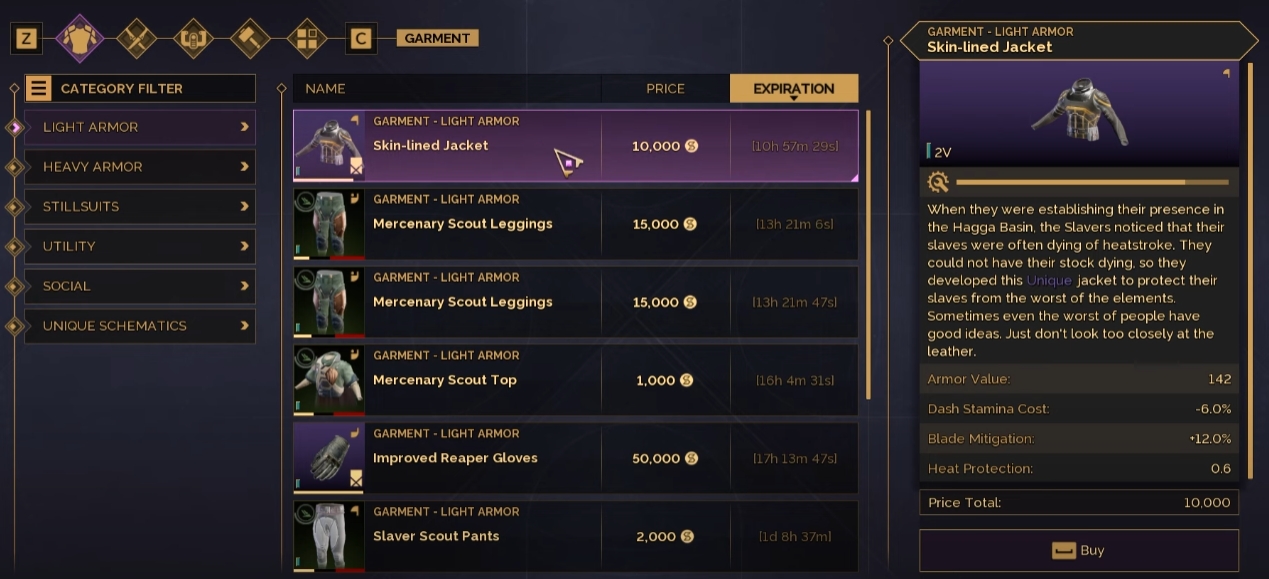
The player trading market in Dune: Awakening is a dynamic system that allows players to buy and sell items, blueprints, resources, and even vehicles. From aluminum ingots to spice melange, nearly anything in your inventory can be listed for trade. This market thrives in two key locations: Arakeen and Harko Village. It's a goldmine for early-game players looking to snag high-quality gear or veterans aiming to offload rare schematics for a hefty Solari payout.
How to Access the Market
To start trading, you'll need to reach the market in either Arakeen or Harko Village. Here's how:
Travel to a Trading Post: Head to any trading post scattered across Arrakis. An NPC there will fly you to Arakeen or Harko Village for a 2,500 Solari fee. If you're low on funds, save up—this trip is worth it.
Use an Ornithopter: For faster travel, hop into an ornithopter and fly to the map's edges. Arakeen is in the top-right corner, while Harko Village sits in the south.
Locate the Chome Exchange: Once you're in either village, look for the building with a large coin icon outside—known as the bank. Inside, you'll find a console with ornithopter displays. This is the market hub.
Buying Items on the Market
The market console lets you browse items listed by other players, from armor and weapons to vehicles and unique schematics. Prices vary wildly since players set them, so keep an eye out for deals—or avoid scams. For example, a mercenary scout top might cost 4,000 Solari, offering solid early-game armor, but some listings may be overpriced.
Here's how to buy smart:
Check Item Quality: Focus on gear that matches your playstyle or boosts your progression, like better armor or weapons for early-game players.
Compare Prices: Scroll through listings to spot underpriced items. A rare schematic for 9,100 Solari could be a steal if it's trending higher.
Act Fast: Listings have timers, so don't hesitate on a good deal.
Selling Items for Dune Solari
Selling is where you can rake in serious Solari. Whether it's a mercenary heavy chest plate or a rifle schematic, you can list almost anything. Here's the process:
Select Items: At the market console, choose items from your inventory to sell.
Set a Price: Check the average price for similar items to stay competitive. For instance, a chest plate might cost an average of 6,896 Solari. You can adjust higher or lower, but don't go overboard—nobody's buying a million-Solari item.
Pay the Fee: Every listing comes with an exchange fee, a percentage of your price (e.g., 336 Solari for a 6,896 listing). Factor this into your profits.
Choose Duration: Set the listing for up to three days. Longer durations provide more exposure, but they also tie up your item.
Pro tip: Avoid listing items at absurd prices. You'll waste Solari on fees if no one buys, so price strategically to move inventory fast.
What Can You Trade?
The market's versatility is its strength. Here's a quick rundown of what you can buy or sell:
Resources: Aluminum ingots, spice melange, and more.
Blueprints and Schematics: Craft high-tier gear or weapons with rare schematics.
Gear: Armor like mercenary scout tops or heavy chest plates.
Vehicles: Build custom rides by buying parts from other players.
This variety makes the market a one-stop shop for upgrading your arsenal or earning Solari by selling surplus items.
Tips for Maximizing Dune Solari Profits
To thrive in the market, think like a spice baron:
Monitor Trends: Popular items like endgame armor or vehicle parts often fetch higher prices.
Buy Low, Sell High: Snag underpriced items and relist them at market rates for a profit.
Farm Resources: Gather resources like spice in bulk and sell them consistently for steady Solari.
Avoid Scams: Double-check listings to avoid overpaying for common items.
Upgrade Early: Early-game players can spend 2,500 Solari to access the market and grab gear to speed through progression.
FAQs About Trading for Solari in Dune Awakening
1. Where is the player trading market located?
The market is located in Arakeen (top-right map) or Harko Village (south map), inside the Chome Exchange building, marked by a coin icon.
2. How much does it cost to access the market?
Traveling to Arakeen or Harko Village via a trading post NPC costs 2,500 Solari.
3. Can I sell any item in the market?
Yes, you can sell resources, blueprints, gear, schematics, and vehicle parts, as long as they're in your inventory.
4. Why are some items so expensive?
Players set prices, so some listings may be overpriced. Compare similar items to find fair deals.
5. How do I avoid losing Solari on listing fees?
Price items competitively based on average market rates to ensure they sell, avoiding wasted fees.
Thanks for Reading
The player trading market in Dune: Awakening is your key to building wealth and dominating Arrakis. Whether you're buying rare schematics or selling surplus resources, smart trading can transform your gameplay. Stay tuned to MMOJUGG for more guides and insights to keep your spice flowing! 👉 [Explore our Dune: Awakening Ultimate Guides Hub Now]
Table of Content
 Buy Dune Awakening Solari
 Buy Dune Awakening Items
 Dune Awakening Boosting