Dune Awakening Water Farming & Location Guide
Last updated on June 9, 2025 by MMOJUGG Team | Game: Dune Awakening Guide | Tags: Dune Awakening Farming
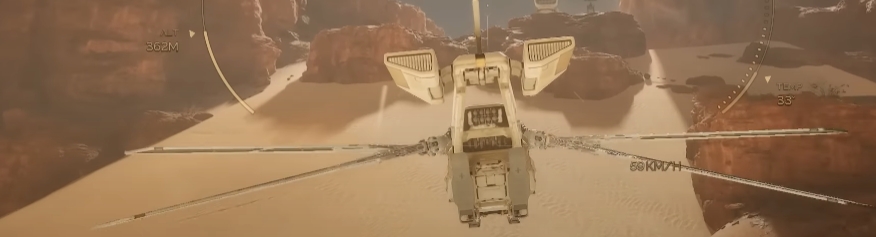
Water is the lifeblood of survival in Dune Awakening, and securing a reliable supply can make or break your journey, especially as you progress through the early, mid, and late game. Whether you're playing solo or with a group, the demand for water escalates quickly, particularly when you hit the iron and steel phases or start crafting vehicles like sandbikes, buggies, and ornithopters. If you're looking to master water harvesting and set up an efficient base, you've come to the right place! Please bookmark our site for more Dune Awakening insights and check out our Solari and Spice store for exclusive gear to enhance your adventure. Let's dive into the best strategies and locations for water farming.
Early Game: Starting with Blood and the Basics
In the early game, particularly around South Haga Basin, your first introduction to water harvesting is through blood. You'll collect blood from corpses, process it in a blood purifier, and convert it into water. While this method is effective, it's time-consuming and can quickly weigh down your inventory. Early on, you'll need multiple blood bags to manage, but even the improved blood purifier becomes a hassle due to its weight.
A better option is to transition to a dew reaper as soon as possible. Crafting one isn't too challenging if you can gather iron and flower sand quickly. You can harvest flower sand by hand or progress through the main story quest to unlock a compactor for more efficient gathering. If you're in a rush, consider buying a dew reaper early to kickstart your water harvesting. Focus on collecting copper to craft liter johns, which store water—upgrading your cutter arrays will boost efficiency, giving you more copper and, in turn, better liter johns.
Mid-Game: Scaling Up with Dew Reapers and Liter Johns
As you move out of South Haga Basin and into areas like Vermilius, your water needs grow, especially if you're playing with friends. Mid-game is all about harvesting large bursts of water in short windows. A solid setup involves liter johns—aim for advanced ones that hold 10,000 milliliters each. With 10 in your inventory, you can haul 100,000 milliliters back to base in just a couple of minutes!
Location matters here. A prime spot is near the iron mine at the tip of Vermilius—high on the rocks, it's rich in iron and close to carbon ores for steel production. This area is ideal for scaling up, as steel is crucial for building F&M death stills and, later, wind traps. However, avoid building in areas with quicksand, as it complicates travel, especially when you're using a buggy to haul heavy resources like aluminum.
For harvesting, time your efforts wisely. Press 'T' to check the map for optimal harvest windows—look for the blue indicator. During these periods, you'll maximize your dew reaper's yield, filling your liter johns quickly. A top centralized water spot exists in Vermilius, offering pools where you can easily pull 100,000 milliliters per night. Be cautious, though—water is a shared resource, so popular spots can become contested. Scouting nearby pockets or even the far east side of the map can yield similar pools, though building a main base there is less practical.
Late Game: Passive Water with Wind Traps
As you progress to the late game, wind traps become your go-to for a passive, reliable water supply. These require steel, so your mid-game focus on iron and carbon ores pays off here. A strong production facility in Vermilius can support 20 or more wind traps, meeting all your water needs. You'll likely expand to a second base in the deep desert, where another 20 wind traps can ensure you're never short on water.
F&M death stills are also worth building early in the mid-game. They're simple to use—load bodies into the still, and let it process water over time. While not as passive as wind traps, they're a solid supplement. For mobility, the buggy remains essential, especially for hauling aluminum, which is heavy but critical for crafting tools, vehicles, and insulated fabric for advanced liter johns. An MK5 unique buggy, with a 2,750-capacity trunk, is perfect for these runs.
Base Location Tips: Where to Build
Selecting the ideal base location is crucial for water farming and resource accessibility. Here's what to consider:
Proximity to Water: Water spots are static and don't move during Coriolis storms, unlike other resources. Look for shaded pools near coes, especially in Vermilius. A standout centralized location offers large pools and nearby smaller pockets for consistent harvesting.
Resource Access: Settle near iron mines and carbon ores for steel production. Aluminum is also key, and the main roads from Vermilius make it easy to reach deposits with a buggy.
Group vs. Solo: Solo players have flexibility, but groups need a strategic spot—ideally elevated, like the rocky areas in Vermilius—to handle higher water and resource demands.
Deep Desert Expansion: Plan for a secondary base in the deep desert, where wind traps will sustain you long-term. Avoid areas with tricky terrain, like quicksand, for easier travel.
The best centralized water spot in Vermilius is a gem—close to iron, steel, and aluminum, with pools yielding 100,000 milliliters per night. However, if it's contested, explore the east side of the map for similar pools or scout smaller pockets south of the main spot.
Additional Tips for Success
Upgrade Your Tools: Prioritize upgrading cutter arrays for better copper and resource yields. Invest points in the planetologist skill for a 10-20% boost to dew gathering.
Timing is Key: Harvest during optimal windows for maximum efficiency. Watch for the blue indicator on your map to time your runs.
Protect Your Spot: Water is shared, so others may encroach. Consider building defenses (like thiefs) to deter competitors, but be mindful of server dynamics.
Vehicles Matter: Use buggies for heavy loads like aluminum, saving ornithopters for deep desert trips or rift exploration. The MK5 cutter array on a buggy yields far more than handheld tools.
Hydration Boost: Top off your liter johns in the evening to stay hydrated, especially with swordmaster passives for stamina and Bindu sprint for faster travel and combat.
FAQ: Dune Awakening Water Farming
What's the best early-game method for water in Dune Awakening?
Early on, collect blood from corpses and process it with a blood purifier. Transition to a dew reaper as soon as you can for better efficiency.
Where should I build my water farm base?
A prime spot is in Vermilius, near the iron mine—high on rocks, close to water pools, iron, and carbon ores for steel.
How do I maximize water harvesting?
Use a dew reaper during optimal harvest windows (check the map with 'T'), upgrade cutter arrays, and carry advanced liter johns for 100,000 milliliters per run.
Are wind traps worth it for water?
Yes! Wind traps are the best passive water source for late game, requiring steel but fulfilling all your needs once set up.
What if my water spot is contested?
Scout nearby pockets or the far east side of the map for alternative pools. Consider defenses like thiefs, but respect server dynamics.
Thanks for Reading
Mastering water farming in Dune Awakening is a game-changer, from blood processing in the early game to dew reapers in the mid-game and wind traps for a passive late-game supply. With the right base location, upgraded tools, and smart timing, you'll never be thirsty again. Stay tuned to MMOJUGG for more guides and tips to conquer the deserts of Arrakis! 👉 [Explore our Dune: Awakening Ultimate Guides Hub Now]
Table of Content
 Buy Dune Awakening Solari
 Buy Dune Awakening Items
 Dune Awakening Boosting