Dune Awakening Player Market: Economy & Systems
Last updated on May 24, 2025 by MMOJUGG Team | Game: Dune Awakening Guide | Tags: Dune Awakening Market
Dune Awakening, the upcoming sandbox survival MMO, promises a dynamic and immersive experience on the harsh sands of Arrakis. At the heart of this game lies the player market, or Exchange, which ties together its survival and MMO elements, offering players unparalleled flexibility to shape their journey. Whether you're a PvE enthusiast crafting in the safety of Hagga Basin or a PvP warrior braving the Deep Desert, the Exchange empowers you to play your way. If you find this guide helpful, consider bookmarking our site for more insights and checking out our store for spice and solari to elevate your experience.
The Exchange: Game-Changing Auction House
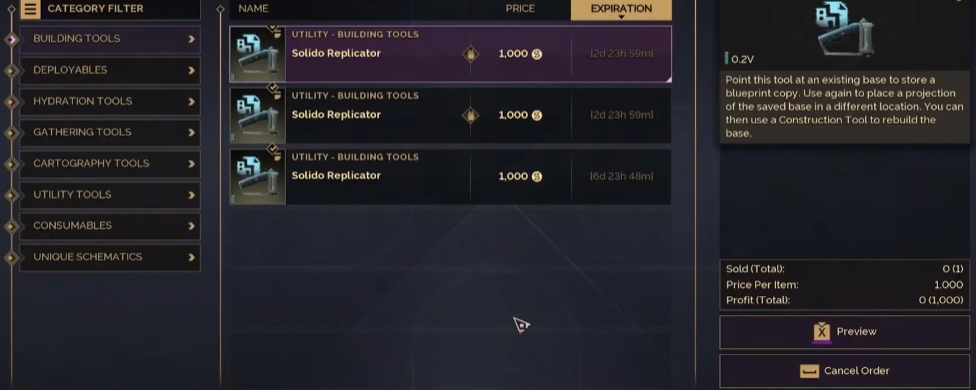
The Exchange is Dune Awakening's player-driven marketplace, where nearly every item in the game—resources, crafted gear, vehicles, and more—can be bought or sold for spice, the game's premium currency. Accessible in hub cities, this auction house is a cornerstone for both PvE and PvP players, allowing you to trade items without venturing into dangerous territories. Its simplicity belies its depth, as it integrates with several innovative systems that make the economy vibrant and engaging.
Hagga Basin vs. Deep Desert:
To grasp the Exchange's impact, it's essential to understand Dune Awakening's two primary zones:
Hagga Basin: A PvE-focused starting area, roughly the size of Conan Exiles' map, hosting around 40 players per instance. It's a safe haven for building permanent, unraidable bases (with shields active) and offers about 100 hours of content, including dungeons, resource gathering, and sandworm encounters. PvP is limited to specific points of interest.
Deep Desert: A massive, PvP-centric zone split into nine server-hosted meshes, with no instancing. It's home to high-value resources, spice blows, and dynamic content that resets weekly due to the Coriolis storm, wiping player structures and reshuffling resources and dungeons.
These zones shape how players interact with the Exchange, as PvE players can thrive in Hagga Basin while accessing Deep Desert rewards through trading.
Key Systems Driving the Economy
The Exchange's strength lies in its integration with three core systems: blueprinting, cartography, and schematics. Each offers unique opportunities to earn spice and shape your playstyle.
Blueprinting: Build Once, Sell Forever
Dune Awakening's building system is a dream for creative players. Using holograms, you can design bases without spending resources, tweaking layouts freely before committing materials. Once your masterpiece is complete, you can create a blueprint—a tradable schematic of your base—that other players can purchase on the Exchange.
This system shines in the Deep Desert, where weekly resets demand rapid base construction. PvP guilds need defensible bunkers fast, and a well-designed blueprint can fetch a high price. For PvE players, crafting and selling blueprints from the safety of Hagga Basin is a lucrative way to earn spice without risking PvP encounters. Imagine designing a fortress, selling its blueprint, and watching others deploy your creation across servers.
Cartography: Mapping the Sands for Profit
Cartography, or mapmaking, is a unique feature that lets players chart Hagga Basin and the Deep Desert, revealing resources, dungeons, and points of interest. Fresh maps are invaluable in the Deep Desert, where the Coriolis storm reshuffles the landscape weekly. Skilled cartographers can sell their maps on the Exchange, providing guilds with critical intel on high-value resource spots or dungeons.
For PvE players, cartography offers a low-risk way to profit. Using fast ornithopters, you can skirt PvP zones in the Deep Desert, map key areas, and sell your findings. With 81 areas to uncover, dedicated cartographers can dominate the market, earning spice to buy endgame gear without fighting.
Schematics: Crafting Rare and Unique Items
The schematic system governs crafting in Dune Awakening. Basic recipes for weapons, vehicles, and building parts are unlocked via the technology tree, but higher-rarity schematics drop from PvE content like dungeons and chests. These schematics, especially unique ones, are the game's most coveted items.
Unique schematics, marked by their purple rarity, craft one-time-use items with special properties and lore, such as a harvesting tool optimized for specific materials. Their limited use makes them incredibly valuable on the Exchange, as players can either sell the schematic or the crafted item. In Hagga Basin, farming schematics are a steady spice-per-hour grind, while the Deep Desert's weekly resets create scarcity, driving up prices for rare finds. A savvy player could farm a dungeon for a unique lasgun schematic, sell it before the storm wipes the dungeon, and control the market until it reappears.
Why the Exchange Matters for PvE Players
For PvE-focused players, the Exchange is a game-changer. You can stay in Hagga Basin, farming resources, crafting, or building, and sell your goods to fund purchases of Deep Desert-exclusive items. This eliminates the need to brave PvP zones, ensuring you can access endgame gear, vehicles, or resources at your own pace. The economy's depth, driven by resource scarcity, weekly resets, and diverse items, keeps prices dynamic and opportunities plentiful.
Strategies to Thrive in the Economy
To maximize your success in Dune Awakening's economy, consider these tips:
Specialize: Focus on blueprinting, cartography, or schematic farming to become a market leader in one area.
Monitor Supply and Demand: Watch the Exchange for high-demand items, like unique schematics or fresh Deep Desert maps, to maximize profits.
Avoid Overfarming: With countless items in the game, shift to less-farmed resources if prices drop due to oversupply.
Leverage PvE Safety: Use Hagga Basin's safety to farm consistently, selling to PvP players who risk the Deep Desert.
Plan for Resets: In the Deep Desert, time your farming to capitalize on weekly changes before the Coriolis storm reshuffles content.
FAQs About Dune Awakening's Player Market
Can I play Dune Awakening entirely in Hagga Basin and still access all items?
Yes, you can buy Deep Desert items without leaving the PvE zone by farming resources, blueprints, or schematics in Hagga Basin and selling them on the Exchange.
How does the Coriolis storm affect the economy?
The weekly storm resets the Deep Desert, changing resource locations and dungeons, creating scarcity and driving demand for maps and schematics.
Are unique schematics worth farming?
Absolutely. Their one-time-use nature makes them rare and valuable, especially for high-demand items like weapons or tools.
Can I sell blueprints across multiple servers?
While not fully confirmed, blueprints are likely tradable across servers via the Exchange, offering massive profit potential for skilled builders.
Is cartography viable for PvE players in the Deep Desert?
Yes, using fast vehicles like ornithopters, PvE players can map the Deep Desert while avoiding PvP and then sell the maps for spice.
Thanks for Reading
Dune Awakening's player market and economy offer a sandbox where creativity and strategy reign. Whether you're crafting blueprints, mapping the Deep Desert, or chasing unique schematics, the Exchange empowers you to carve your own path. Stay tuned to MMOJUGG for more guides and tips on conquering Arrakis! 👉 [Explore our Dune: Awakening Ultimate Guides Hub Now]
Table of Content
 Buy Dune Awakening Solari
 Buy Dune Awakening Items
 Dune Awakening Boosting