Dune Awakening: Loot & Economy System Explain
Last updated on May 24, 2025 by MMOJUGG Team | Game: Dune Awakening Guide | Tags: Dune Awakening System
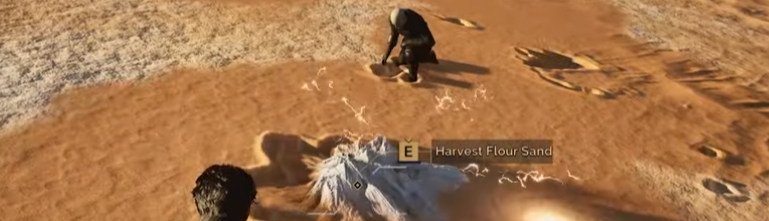
Dune Awakening is shaping up to be a thrilling survival MMO set in the unforgiving deserts of Arrakis. The big question for solo and PVE players is: can you thrive in this harsh world without constantly clashing with PVP guilds? The answer lies in the game's forgiving loot system and dynamic economy, which open up exciting opportunities for lone wanderers. If you're looking for reliable gaming insights, consider bookmarking our site for more tips and checking out our store for solari and spice to level up your experience. Let's dive into the mechanics that make solo play viable and how you can master the economy to conquer the dunes.
Understanding the Loot System
The loot system in Dune Awakening is designed to be forgiving, especially for PVE players in Hagab Basin. When you die in a PVE zone, you drop a chest containing some of your stackable resources, like materials or spice. The good news? You can reclaim these by returning to the spot where you died, making resource loss minimal. However, there are two major exceptions:
Sandworm Encounters: If a sandworm takes you out, you lose everything—no exceptions.
PVP Points of Interest: In these areas, even within Hagab Basin, other players can snatch your dropped chest, making recovery trickier.
Beyond resources, death also impacts your gear's durability. Armor, weapons, and utility items take a hit, and frequent deaths mean you'll need to craft replacements. While the exact durability loss per death isn't clear, this mechanic encourages careful play and resource management. This system is a lifeline for solo players—it ensures you won't lose your hard-earned gear in most scenarios, except possibly in unconfirmed full-loot PVP zones.
The Deep Desert, a high-risk PVP area, follows similar rules. You'll only lose stackable items and durability, not your equipped gear, unless a full-loot zone exists (which isn't confirmed). This setup lets PVE players sneak into dangerous areas, gather resources, and retreat to safer zones without catastrophic losses.
Mastering the Marketplace
The auction house is a game-changer for solo players. Unlike many MMOs where endgame gear is locked behind grueling raids or PVP battles, Dune Awakening's marketplace lets you buy everything—from late-game materials to vehicles. Whether you're after powerful weapons or rare schematics, the auction house has you covered, provided you've got enough Solari (the main currency) or spice.
Here's why this is huge: PVE players can farm resources in safe zones like Hagab Basin, sell high-demand items on the market, and use the profits to buy endgame gear. This means you can gear up for the Deep Desert without ever stepping into a PVP zone. The economy is dynamic, driven by supply and demand, so smart players can track market trends, sell strategically, and even barter items like copper ore for better gear.
Taxes, paid in spice to the Emperor, add another layer to the economy. Guilds may dominate spice production, but solo players can still profit by selling resources or services, like mercenary work or rare schematics. The marketplace also supports creative playstyles—build an epic base, sell its blueprint, or become a vehicle merchant. The possibilities are vast, limited only by your imagination.
The Power of a Flexible Economy
Dune Awakening's economy isn't just about buying and selling—it's a sandbox of opportunity. Solo players can influence the market by:
Cornering the Market: Stockpile rare resources like spice to drive up prices.
Smuggling: Trade faction-locked goods for profit.
Mercenary Work: Offer your skills to guilds for protection or resources.
Real Estate: Sell base blueprints or trade prime PVE zone locations.
There's even a banking system, though details on features like interest or loans are still unclear. This flexibility means solo players can carve out a niche, whether as a resource baron, a crafty smuggler, or a base-building architect. By leveraging the auction house, you can access endgame content without relying on guilds, making solo play not just viable but rewarding.
FAQs About Loot and Economy System
Can I lose all my gear in PVE zones?
No, in PVE zones like Hagab Basin, you only drop a portion of stackable resources, which you can reclaim. Gear stays with you, though it loses durability.
What happens if I die in a PVP zone?
You drop a chest with some stackable resources, but other players can loot it, making recovery harder. Gear durability also takes a hit.
Is the Deep Desert safe for solo players?
The Deep Desert has PVE-safe areas where you can build bases, but PVP zones carry risks. The forgiving loot system helps mitigate losses.
How does the auction house benefit PVE players?
It lets you buy endgame gear and materials using Solari or spice, so you can gear up without entering PVP zones.
Can I make money as a solo player?
Absolutely! Farm resources, sell schematics, or offer services like mercenary work to earn Solari and thrive in the economy.
Thanks for Reading
Dune Awakening's loot system and economy create a playground where solo and PVE players can thrive alongside PVP guilds. By mastering resource management and the auction house, you can access every item in the game and carve out your own path on Arrakis. Stay tuned to MMOJUGG for more guides and tips on dominating the dunes! 👉 [Explore our Dune: Awakening Ultimate Guides Hub Now]
Table of Content
 Buy Dune Awakening Solari
 Buy Dune Awakening Items
 Dune Awakening Boosting