Dune Awakening: Crashed Ships Farming Guide
Last updated on June 30, 2025 by MMOJUGG Team | Game: Dune Awakening Guide | Tags: Dune Awakening Farming
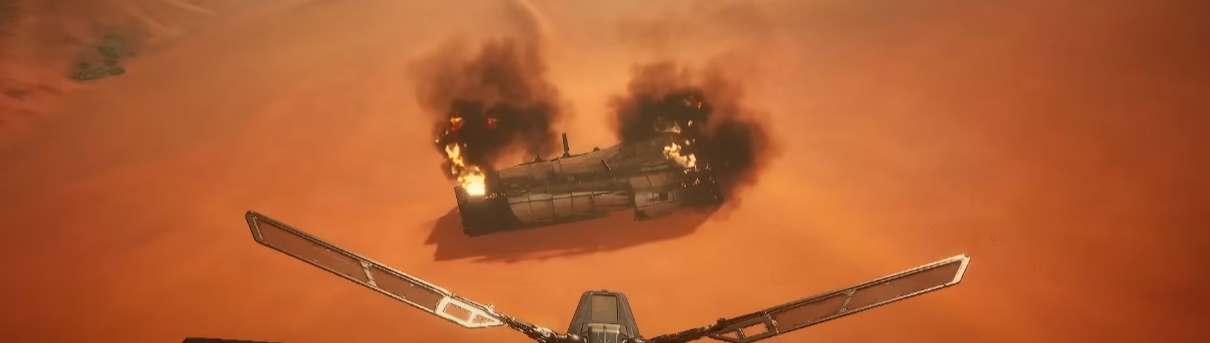
The deserts of Arrakis in Dune: Awakening are littered with opportunity—if you know where to look. Crashed ships, scattered across the Hagga Basin and Deep Desert, are goldmines of rare materials like titanium, stravidium, and high-tier components essential for endgame crafting. But with sandworms lurking and a timer ticking, looting these wrecks can be daunting. This guide breaks down how to farm crashed ships efficiently and safely, minimizing risks while maximizing rewards. For more expert tips and to gear up for your next run, bookmark MMOJUGG and check out our Dune Awakening Solari and items shop, packed with materials and vehicles to boost your survival on Arrakis.
Why Farm Crashed Ships?
Crashed ships are dynamic world events in Dune: Awakening, offering valuable resources not easily found elsewhere. These wrecks contain materials such as servox, mechanical pumps, and spice sand, which are critical for crafting Tier 5 and 6 gear, vehicles, and base upgrades. In the Hagga Basin, they're accessible early on, while Deep Desert crashes yield even rarer loot, making them a must for solo players and groups aiming for endgame progression. However, sandworms are drawn to these sites, and in the Deep Desert, PvP adds another layer of danger. With the right approach, you can loot these ships with minimal risk and walk away richer.
Essential Gear for Safe Farming
To farm crashed ships effectively, you need the right tools and preparation:
Cutteray: A basic cutteray (of any tier) with a power pack is mandatory for slicing open ship compartments. Higher-tier cutterays (e.g., Mark V) speed up the process but aren't essential.
Ornithopter: Any ornithopter, even the basic MK4, is crucial for quick escapes and resetting sandworm aggro. It's your lifeline in both Hagga Basin and Deep Desert.
Light Armor: Opt for light combat armor to balance mobility and protection, especially in Deep Desert PvP zones. Heavy armor slows you down, making you an easier target.
Water Supply: The Deep Desert has no water sources, so carry enough to stay hydrated during long runs.
Optional: Scanner: While not required, a scanner helps identify lootable panels quickly, saving time under pressure.
How to Farm Crashed Ships: Step-by-Step
Each crashed ship has three lootable compartments, typically marked by blue panels. Here's a low-risk method to farm them in both Hagga Basin and Deep Desert:
Spot Fresh Crashes: Listen for the telltale explosion of a ship crashing or watch for them falling from the sky. Fresh wrecks give you more time before the sandworm arrives. Check your map or compass for crash site markers. In the Deep Desert, Row A is safer (mostly PvE, except for crash sites).
Land and Assess: Park your ornithopter close to the wreck, ideally on a nearby rocky outcrop to avoid vibrations. Avoid using shields, suspensor belts, or other tech on open sand, as these attract sandworms instantly. Scan the ship to locate the three compartments—usually one on top, one on the side, and one at the base.
Cut and Loot Fast: Use your cutteray to slice open each panel (hold E to loot all contents). Start with the top compartment, as it's often the easiest to access, then move to the sides. In harsh Deep Desert dunes, you may need to climb or jump to reach panels. Work quickly—aim to loot all three compartments in under a minute.
Monitor Sandworm Aggro: Keep an eye on the vibration meter at the bottom of your screen. If it turns red or you see a breach (red squiggly line or sand clouds), immediately return to your ornithopter. Fly up to 300-400 meters to reset aggro, waiting 15-30 seconds until the meter clears.
Escape Before the Worm Swallows: After looting, sandworms may destroy the wreck entirely, swallowing anything nearby (including you and your gear). This is the game's cleanup mechanic for crash sites. If you've looted a fresh crash, you'll likely have 1-2 minutes before this happens. Get out fast to avoid losing everything.
Hagga Basin vs. Deep Desert: Key Differences
Hagga Basin: Ideal for early-game players, these crash sites are in a mostly PvE zone with smaller sandworms. The risk is lower, but the rewards are also lower compared to the Deep Desert. Watch for radiation zones, which require protective gear.
Deep Desert: Offers higher-tier loot (e.g., stravidium, servox) but comes with bigger worms and PvP risks. Sandworms take longer to reach crashes here, giving you slightly more time, but PvP ambushes are common. Stay alert, scan for other players' ornithopters, and avoid “granddaddy" spice events that draw crowds.
Advanced Tips for Solo Players
Use Thumpers as Decoys: If a worm is closing in, deploy a thumper (crafted with water, steel ingots, EMF generators, and silicone blocks) away from the wreck to distract it. This buys you extra time to loot.
PvP Avoidance: In the Deep Desert, scan for enemy ornithopters before landing. If ambushed, dump your cargo, store your ornithopter, and die to respawn at your base, preserving your vehicle and tools. Alternatively, use your ornithopter's scan module on the ground to stir up sandworms, creating chaos to escape pursuers.
Stage Outposts: Set up a small outpost in Deep Desert's Row A for storing loot before server resets (every Tuesday). This reduces the risk of losing everything to a worm or PvP.
Avoid Falling Ships: Rarely, crashing ships can hit you while falling, destroying your ornithopter and killing you. Stay cautious when flying near crash events.
What Happens If You Get Caught?
If a sandworm swallows you or the wreck, you lose everything—gear, tools, resources, and vehicles—with no recovery possible (except a one-time vehicle mercy for your first worm death). To minimize losses:
- Wear low-tier gear for risky runs.
- Store your ornithopter before dying in the Deep Desert.
- Use the pilot taxi at A5 to return to Hagga Basin if you lose your vehicle.
FAQs About Farming Crashed Ships in Dune Awakening
What loot can I get from crashed ships?
Crashed ships yield high-value materials, including titanium, stravidium, servox, mechanical pumps, and spice sand, which are essential for Tier 5-6 crafting and upgrades.
How do I know when a ship has crashed?
Listen for a loud explosion or watch for ships falling from the sky. Check your map or compass for crash site markers. Fresh crashes give you more looting time.
Are Deep Desert crashes riskier than Hagga Basin?
Yes, Deep Desert crashes have bigger worms and PvP risks, but they offer better loot. Hagga Basin is safer (mostly PvE) but has lower-tier rewards.
Can I farm crashed ships without an ornithopter?
It's possible but risky. Ornithopters let you reset sandworm aggro by flying high. Without one, you'll need to rely on rocky ground and perfect timing to avoid worms.
What happens if the sandworm destroys the wreck?
The worm swallows the ship and anything nearby, including you and your gear. Loot fresh crashes quickly and escape to avoid this cleanup event.
Thanks for Reading
Farming crashed ships in Dune: Awakening is a high-reward, low-risk venture if you play smart. With an ornithopter, a cutteray, and quick reflexes, you can loot valuable materials while dodging sandworms and PvP threats. Stick to fresh crashes, monitor your vibration meter, and always have an escape plan. Keep following MMOJUGG for more guides and visit our Solari and items shop to gear up for your next desert run! 👉 [Explore our Dune: Awakening Ultimate Guides Hub Now]
Table of Content
 Buy Dune Awakening Solari
 Buy Dune Awakening Items
 Dune Awakening Boosting