Dune Awakening Base Building Beginner Guide
Last updated on June 4, 2025 by MMOJUGG Team | Game: Dune Awakening Guide | Tags: Dune Awakening Tips
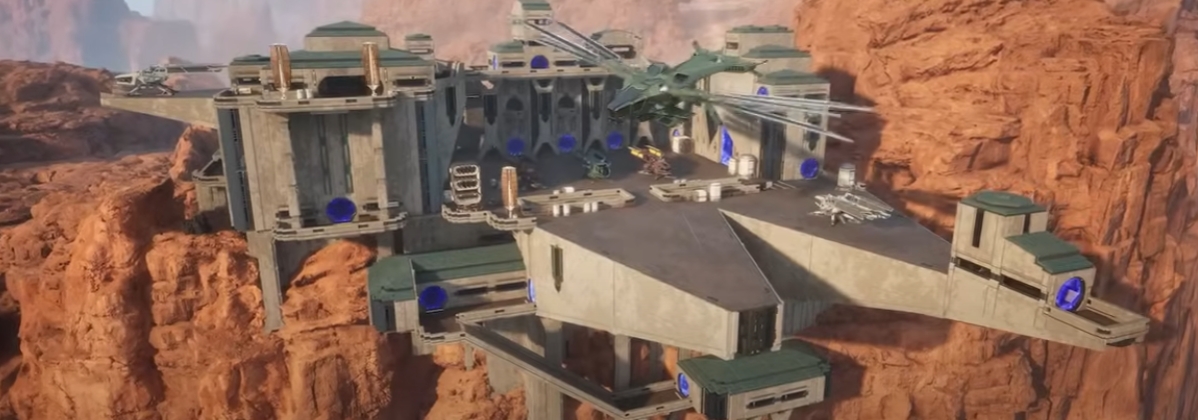
Arrakis is a harsh world where survival depends on strategy, resourcefulness, and a well-built base. Your base isn't just a shelter—it's your lifeline, your guild's hub, and your defense against sandstorms and sandworms. Whether you're a solo survivor or leading a guild, a smartly designed base can make all the difference. This guide dives deep into base building in Dune Awakening, covering everything from your first Sub-Thief Console to advanced circuits and permission management. Ready to build a base that even the Emperor would envy? Let's get started—and don't forget to bookmark our site and check out our Dune Awakening Solari and Spice store for in-game essentials.
Getting Started with Your First Base
Your journey begins with the Sub-Thief Console, the heart of your base. Using the construction tool, place the console to claim a plot with a build area of 6x6x8 foundations. A pro tip: position your first foundation as close to a corner of the land claim as possible to maximize space. The game displays required materials for each structure, so you'll know exactly what you need. If you're ready, build instantly with a click. If not, place a blueprint as a placeholder for you or your guildmates to complete later.
Early bases are basic—think of them as temporary shelters. You'll need to abandon them in Haga South to progress to Vermilia Gap, where advanced Sub-Thief Consoles (11x11x15 foundations) unlock larger, more complex builds. Be warned: abandoning a Sub-Thief leaves your gear vulnerable to others or decay. Plan ahead to secure your resources.
Advanced Base Building: Scaling Up
Once you've upgraded to an advanced Sub-Thief, you can expand with staking units for even more space. These bases come with a catch: taxes. The Imperium demands payment, so factor this into your resource planning. Advanced bases are ideal for guilds, serving as nerve centers for crafting, storage, and logistics. To make your base efficient, focus on layout and organization.
Mastering Permissions for Security
Permissions are crucial to maintaining the security of your base. The Sub-Thief Console lets you:
- Name your base and set it as a respawn point.
- Refuel generators and monitor storage capacity.
- Pay taxes to maintain your claim.
- Manage access levels.
By default, adding a player assigns them the “Associate" role, granting access to doors, machines, storage, and deployables within your base's zone. Promote trusted players to “Co-owner" to allow building, permission adjustments, and management tasks—though only you, the owner, can move or demolish the Sub-Thief. Use the social tab to manage permissions across all your Sub-Thiefs, vehicles, and guilds in one place.
For granular control, assign access levels to individual objects, such as doors, storage, and fabricators. The five tiers are:
Owner: Only you.
Co-owner: Trusted managers.
Associate: Added players.
Guild: Guild members.
Public: Anyone.
Each door displays a holographic number indicating its access level, allowing you to verify settings at a glance. Always double-check permissions for new structures to avoid locking out allies—or worse, trapping them inside.
Circuits: Streamlining Resource Management
Circuits are the key to organizing resources and enhancing efficiency. Think of them as conveyor belts that direct materials to specific machines or storage. For example, set a fabricator to pull from and push to Circuit 1, then assign a chest to Circuit 1. The fabricator will use materials from that chest and return finished items there, keeping everything tidy.
Circuits also enable resource control. For instance, if your vehicle crew needs aluminum, assign them as Associates, set a fabricator and chest to Circuit 3 with Associate-only access, and store aluminum there. This ensures only they can use it. Common materials like copper can stay on Circuit 1 for everyone, while rare items can be locked on Circuit 8 for Owner-only access.
For optimal organization:
- Use Circuit 1 for basics, Circuit 2 for armor, Circuit 3 for vehicles, Circuit 4 for food, Circuit 5 for weapons, and Circuit 8 for high-value items.
- Keep related chests and machines close together.
- Seed chests with one of each required material to enable auto-deposit, saving time and reducing clutter.
Even small forward operating bases benefit from circuits, ensuring resources are accessible without chaos.
Designing an Efficient Base Layout
A well-planned layout maximizes functionality. Here's an example of a forward operating base:
Ground Floor: A shared “living room" with recycling stations, repair stations, fabricators, and Circuit 1 storage for guild access. Include a garage for sandbikes and a shared mining buggy, plus a blood room for swapping blood for water.
Second Floor: Specialized zones for associates, like crafting or resource processing, to keep workflows smooth.
Third Floor: Co-owner-only area for high-tier crafting and private stashes.
Fourth Floor: Owner-only space for rare loot and backup supplies.
Roof: Power generators, water collectors, and ornithopter landing pads for quick guild access.
This setup balances accessibility, security, and efficiency, whether you're running a solo outpost or a guild headquarters.
Pro Tips for Base Success
Plan for Taxes: Budget resources to cover Imperium taxes on advanced bases.
Use Blueprints Wisely: Lay out your base before committing materials to avoid costly mistakes.
Check Permissions Regularly: New structures default to Associate access, so adjust as needed.
Organize Circuits Early: Set up circuits from the start to streamline resource flow.
Adapt to Your Needs: Solo players can keep it simple, while guilds should prioritize shared spaces and restricted zones.
FAQs About Base Building in Dune Awakening
What happens if I abandon my Sub-Thief Console?
Your gear becomes vulnerable to other players or will decay over time—secure resources before abandoning.
How many Sub-Thief Consoles can I have?
You can have up to three, but one must be an advanced Sub-Thief for larger builds.
Can I change permissions without returning to my base?
Yes, use the social tab to manage permissions for all your Sub-Thiefs, vehicles, and guilds remotely.
How do circuits improve base efficiency?
Circuits organize resource flow, ensuring machines pull and push materials to designated chests, reducing clutter and securing rare items.
What's the best way to start using circuits?
Assign basic materials to Circuit 1, specialized items to higher circuits, and seed chests with one of each material for auto-deposit.
Thanks for Reading
Building a base in Dune Awakening is about more than survival—it's about thriving on Arrakis. With smart planning, secure permissions, and efficient circuits, your base can withstand the desert's challenges and support your guild's ambitions. Keep following MMOJUGG for more tips and tricks to conquer the sands!
👉 [Explore our Dune: Awakening Ultimate Guides Hub Now]
Table of Content
 Buy Dune Awakening Solari
 Buy Dune Awakening Items
 Dune Awakening Boosting