Dune Awakening Advanced Ornithopter Flying Guide
Last updated on June 30, 2025 by MMOJUGG Team | Game: Dune Awakening Guide | Tags: Dune Awakening Tips
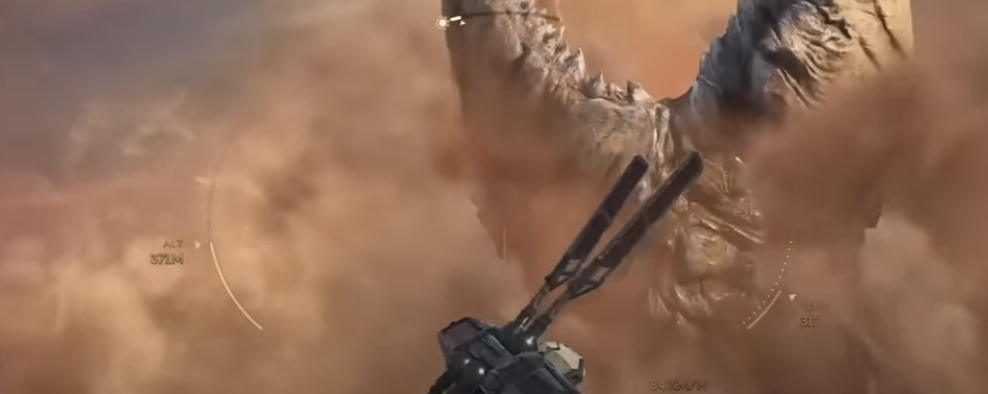
Flying an Ornithopter in Dune Awakening is an exhilarating experience, but mastering its mechanics can transform you into a desert-skipping pro. Whether you're evading pursuers in the deep desert or scouting for resources, knowing how to optimize speed, conserve fuel, and handle combat situations is key. This guide dives into advanced Ornithopter tips to help you soar higher, move faster, and spend fewer resources. Curious about elevating your gameplay? Stick around, bookmark our site for more Dune Awakening insights, and check out our Solari and items shop for top-tier materials and vehicles to enhance your desert adventures.
Understanding Ornithopter Flight Mechanics
The Ornithopter's flight system is intuitive but packed with nuances that can make or break your performance. Basic controls involve using the mouse to turn, the A and D keys to lean, and the right-click to look around without changing direction. A standout trick is using right-click to adjust your camera angle, allowing sharp turns without clunky manual adjustments. For example, holding the right-click and turning the camera allows the Ornithopter to auto-correct into a quick, sharp turn—perfect for dodging threats or repositioning in combat.
In combat, this camera trick shines. By angling the camera while firing rockets, you can direct them off to the side, even in Vulture Mode. This allows you to hit targets without needing to fully face them, though rockets won't fire directly behind you. This tactic is invaluable when hunting or evading in the deep desert, giving you an edge in dynamic encounters.
Optimizing Speed and Altitude
To maximize speed and altitude while conserving fuel, pay attention to the horizon line on your screen. This indicator helps maintain stable flight. For Scout Ornithopters, aim slightly above the horizon to hover steadily without losing altitude. Tapping W intermittently keeps your speed around 155 km/h, while aiming slightly upward allows you to gain altitude without sacrificing much speed. This method, credited to player Kama, lets you climb indefinitely—ideal for escaping pursuers or reaching high altitudes (around 700–800 meters) where enemies struggle to follow due to fuel constraints.
For Assault Ornithopters, maintaining zero fuel usage is trickier due to their heavier build, but you can still conserve resources. Use the boost (Spacebar) to regain altitude and speed after sharp maneuvers quickly, then nose down (Shift) to stabilize. While Scout Ornithopters excel at sustained hovering, Assault models trade fuel efficiency for extra storage, making them better for long hauls or combat-heavy trips.
Fuel Conservation Techniques
Fuel efficiency is critical for long desert journeys. Instead of constantly pressing the Spacebar to climb, use the aim-up technique to gradually gain altitude. By alternating between aiming up to climb and dipping slightly to regain speed, you can maintain high altitudes (around 700 meters) with minimal fuel use. This method works best for Scout Ornithopters, as Assault models lose speed faster when climbing due to their weight.
Another fuel-saving tip is to avoid aggressive maneuvers unless necessary. For instance, using S in Vulture Mode creates tight turns but bleeds speed, so reserve it for shaking off pursuers. If you're cruising, stick to gentle adjustments to maintain momentum. Carrying a large fuel cell and a vehicle backup tool ensures you're prepared for emergencies without overloading your inventory.
Combat and Evasion Strategies
When being chased, altitude is your friend—climbing to 800 meters forces pursuers to burn more fuel, often causing them to break off. Use sharp turns (combining S and camera adjustments) to outmaneuver enemies, especially in Vulture Mode. For combat, keep welding wire and a welding torch on hand for quick repairs or to swap components, such as storage for a rocket launcher. Assault Ornithopters can store these items directly, freeing up inventory space.
Choosing the Right Components
Not all Ornithopter components are worth the high-tier materials. Focus on upgrading the wings and engine, as these directly impact glide speed and acceleration. Mark V wings (170 glide speed, 9 turn rating, 8 agility) outperform Mark IV wings (160 glide speed, lower turn rating and agility) and require only 48 Germanium Aluminium for a full set. Similarly, a Mark V engine (48 Germanium Aluminum) boosts acceleration without affecting glide speed. Other components can be lower-tier (Mark IV) since they only influence armor rating (1,000 vs. 1,250 for Mark V), which matters less in evasive flight.
Avoid unique wings with lower glide speeds, as they trade speed for marginal boosts that rarely justify the cost. If using a booster, prioritize a high-tier generator to improve heat dissipation, ensuring you can use boosts more frequently without overheating.
Essential Gear for Deep Desert Trips
When venturing into the deep desert, pack smart. Carry welding wire for repairs, a welding torch for component swaps, a large fuel cell for emergencies, and a vehicle backup tool to prevent being stranded. Assault Ornithopters can store these in their vehicle storage, while Scout pilots should keep them in personal inventory. These items ensure you're ready for combat, repairs, or unexpected breakdowns without wasting precious Solari.
FAQs About Ornithopter Mastery in Dune Awakening
What's the best way to conserve fuel in a Scout Ornithopter?
Aim slightly above the horizon line and tap W to maintain speed around 155 km/h. Alternate between climbing and descending to gain altitude without excessive fuel consumption.
Can Assault Ornithopters use the same fuel-saving tricks?
Partially. Assault Ornithopters lose speed faster when climbing, but using boosts and gentle climbs can still conserve some fuel.
Which components should I prioritize for crafting?
Focus on Mark V wings and engines for maximum speed and acceleration. Other components can be Mark IV to save resources.
How do I shake off pursuers in Vulture Mode?
Use S and camera adjustments for sharp turns, and climb to high altitudes (700–800 meters) to force enemies to burn fuel.
What items should I carry for deep desert trips?
Pack welding wire, a welding torch, a large fuel cell, and a vehicle backup tool for repairs and emergencies.
Thanks for Reading
Mastering the Ornithopter in Dune Awakening takes practice, but these tips will help you fly faster, save materials, and dominate the skies. Stay tuned to MMOJUGG for more guides and updates to keep your desert adventures thriving! 👉 [Explore our Dune: Awakening Ultimate Guides Hub Now]
Table of Content
 Buy Dune Awakening Solari
 Buy Dune Awakening Items
 Dune Awakening Boosting