Chris Wilson on Diablo II’s 25th with David Brevik
Last updated on June 29, 2025 by MMOJUGG Team | Game: Path of Exile Guide | Tags: We Miss Chris Wilson
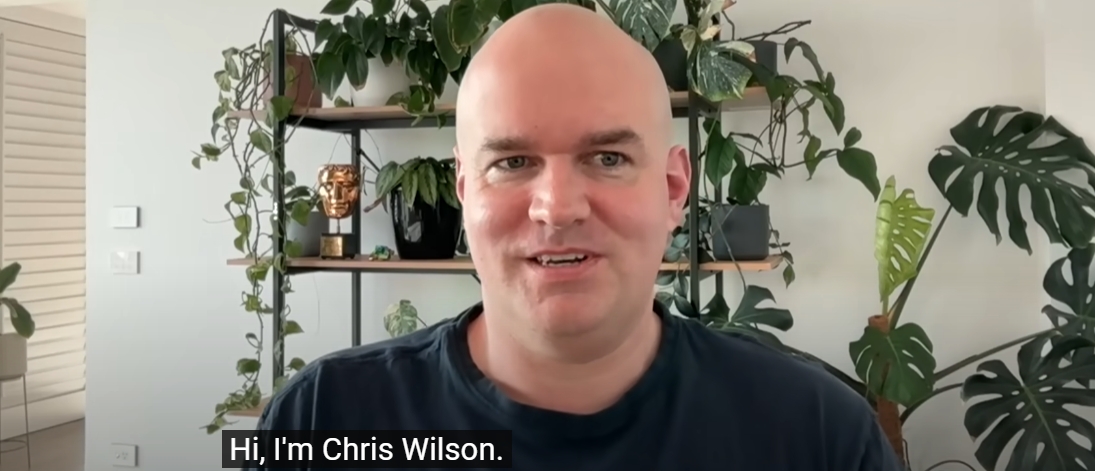
If you're a fan of action RPGs, chances are Diablo II shaped your gaming world. As we celebrate its 25th anniversary, we invite you to bookmark our site for more insights into your favorite games and check out our store for all your gaming needs. Recently, Chris Wilson, co-founder of Grinding Gear Games and creator of Path of Exile, sat down with David Brevik, the mastermind behind Diablo II, to discuss the game's development, its lasting impact, and where Chris has been since leaving GGG. Let's dive into their conversation and explore the legacy of a game that redefined the genre.
Chris Wilson's Journey Post-GGG
Since leaving Grinding Gear Games, Chris Wilson has been on a creative journey. After a year of retirement sorting Magic: The Gathering cards and traveling, he founded Light Pattern, a small studio working on a secretive project. Wilson described the joy of returning to hands-on development, reminiscent of his early days coding Path of Exile in his garage with co-founders Jonathan and Erik. His passion for creating games shines through, and while he's tight-lipped about the project, he hinted it's tied to his love for ARPGs.
Meanwhile, Brevik has been busy with Skystone Games, a publishing company focused on indie titles, such as Tiny Bookshop, a cosy strategy game set for release this summer. Unlike traditional publishers, Brevik offers hands-on guidance to developers, drawing on his decades of experience. He's also working on unannounced projects, with potential reveals at events like PAX.
The Birth of a Legend: Diablo II's Development
Diablo II, released 25 years ago, wasn't just a game—it was a cultural phenomenon. Chris Wilson, a self-proclaimed Diablo II fanatic, shared how he camped outside a store at 17 to grab a copy, skipping university exams to play non-stop. For David Brevik, the release was a whirlwind of emotions: relief after intense crunch, excitement for its launch, and anxiety over its reception. The team at Blizzard North poured their hearts into the project, signing boxes at a local game shop on release day and scrambling to fix bugs like gold duping in the game's early days on Battle.net.
The development process was chaotic, with no formal production systems. Brevik admitted they were “bad at scope creep,” adding features without cutting anything, leading to a brutal crunch period. One tough call was cutting an entire act, leaving Act IV smaller than planned. If given an extra year, Brevik believes they would have restored the cut act, making Diablo II a grander adventure. Despite the challenges, decisions like adopting a client-server model and introducing seamless outdoor worlds set Diablo II apart from its predecessor.
Diablo II's Lasting Influence on RPGs
Diablo II's innovations—skill trees, color-coded item rarities, and random item generation—became blueprints for modern RPGs. Brevik was surprised by how skill trees spread beyond ARPGs, appearing in shooters, roguelikes, and even non-gaming applications. Wilson noted that RPG elements are now ubiquitous, sometimes feeling “tacked on”, but adding depth through progression systems that keep players hooked. The “just one more” dopamine loop—whether it's a level-up, a boss drop, or a quest reward—was a deliberate design choice that made Diablo II addictive and influential.
The game's free online play via Battle.net, featuring hardcore mode and ladder seasons, was groundbreaking. Brevik explained that multiplayer wasn't initially the focus for Diablo I, but it became central to Diablo II's design, shaping how players interacted with loot and each other. Wilson reflected on Path of Exile's initial free-for-all looting, inspired by Diablo II, and the backlash it received, showing how player expectations evolved over time.
Diablo II's Legacy and Future Directions
Both developers reflected on the enduring appeal of Diablo II. Wilson loves the original game's item hunt, where rare drops like lances defined your character's power, while Lord of Destruction shifted focus to runewords and crafting. Brevik sees the expansion as more accessible, catering to players who prefer clear goals over endless item hunts. They also discussed missed opportunities, like the stamina bar, which Brevik regrets as a “newbie tax” that punished early players without adding long-term value.
Looking ahead, Brevik hopes ARPGs break from the “loot explosion” formula, focusing on immersive, slower-paced experiences that evoke fear and exploration. Wilson echoed this, reminiscing about Diablo II as a world he felt privileged to visit. Their shared passion for innovation suggests exciting things on the horizon for both developers.
FAQs
Why did Chris Wilson leave Grinding Gear Games?
Chris stepped away from GGG to take a break after years of leading a large team, seeking a return to hands-on game development with his new studio, Light Pattern.
What inspired Diablo II's development?
Diablo II drew from games like Wizardry and Ultima, as well as non-game media like Nine Inch Nails music and horror films, shaping its dark atmosphere and quest design.
How did Diablo II influence Path of Exile?
Diablo II's skill trees, item rarities, and multiplayer systems directly inspired Path of Exile, though Wilson adapted features like looting to suit modern player preferences.
What is David Brevik working on now?
Brevik runs Skystone Games, publishing indie titles like Tiny Bookshop, and provides creative and technical guidance to developers while working on unannounced projects.
What was cut from Diablo II during development?
An entire act was cut, and Act IV was scaled back due to time constraints, a decision driven by scope creep and a lack of formal production planning.
Thanks for Reading
Diablo II remains a cornerstone of gaming history, and this conversation between Chris Wilson and David Brevik highlights why it endures. From its innovative mechanics to its personal impact on developers like Wilson, the game's legacy lives on. Stay tuned to MMOJUGG for more gaming insights and updates on your favorite titles.
Table of Content
 Buy Path of Exile Currency